The "group of death" in this World Cup was extremely competitive in the group stage, with many traditionally strong teams battling it out in the same group, and only a very few teams were able to advance. By the time they reached the knockout stage, these teams, having just gone through the brutal group stage, were often battered and bruised, making it difficult for them to perform at their full potential in the single-elimination matches.
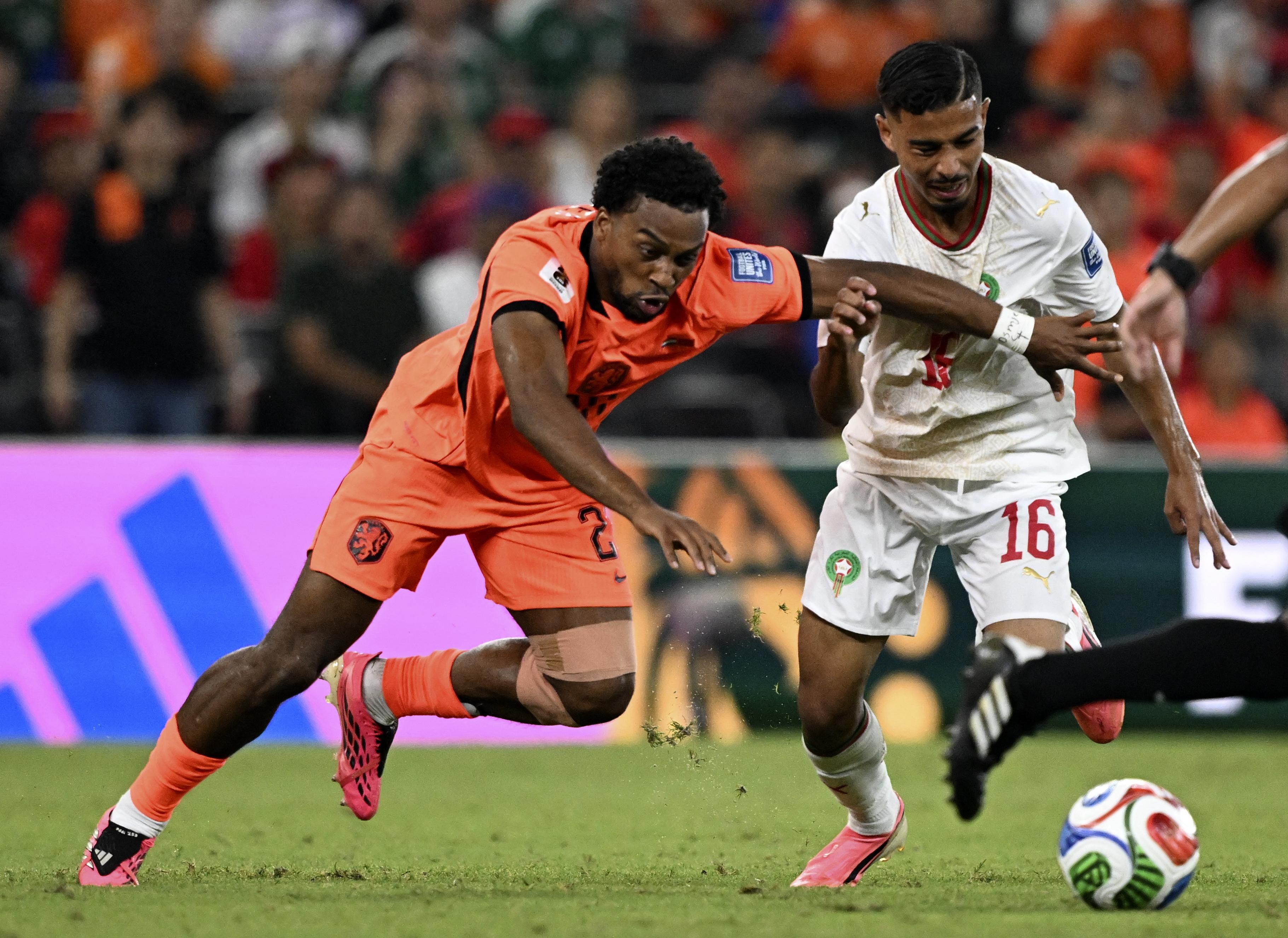
Looking at the schedule of this World Cup, the "group of death" phenomenon of "elimination" is not accidental. Take Germany's half of the draw as an example: the group consisted of many closely matched teams, making every match a tough battle. While Germany successfully advanced from the group stage, they had already expended a great deal of energy and tactical reserves. In the round of 32 against Paraguay, the team clearly showed signs of fatigue in extra time, ultimately losing in a penalty shootout. The Netherlands experienced a similar fate; they too suffered greatly in the group stage, falling short in the first knockout round on penalties.
Click below to view the complete pre-match analysis from OpenScore.
Fans are lamenting the power of the "Group of Death curse." On social media, the topic "The World Cup Group of Death is about to wipe out all the teams" has sparked widespread discussion, with many netizens commenting that "the Group of Death truly lives up to its name; even if the teams that make it in barely survive, they won't go far." Historically, similar phenomena have occurred in the "Group of Death" across multiple World Cup tournaments—excessive fatigue in the group stage ultimately impacts the teams' performance in the knockout stages. This phenomenon has also prompted deep reflection within the football community on the World Cup schedule and group draw mechanism. For the teams still in the "Group of Death," they need to quickly recover their physical condition and make tactical adjustments to go further in the knockout stages. For the eliminated teams, this experience will be a crucial lesson for future preparations—finding a balance between the grueling group stage and the even more intense knockout stages will be a key factor determining their fate.
The situation for Asian teams is equally dire, with several Asian teams already eliminated in the group stage. South Korea's exit from the group stage triggered a major upheaval in the domestic football scene. As the knockout stage progresses, the final fate of the teams in the "group of death" will be revealed one by one. This World Cup, with its unique charm of frequent upsets and suspense, once again proves that there are no easy victories in the world of football; only strength and hard work can truly earn respect.
This page is for informational purposes only and does not constitute any investment advice. The market is risky, and investment requires caution. Any investment decisions should be based on your own financial situation, risk tolerance, and professional advice.